
Menu
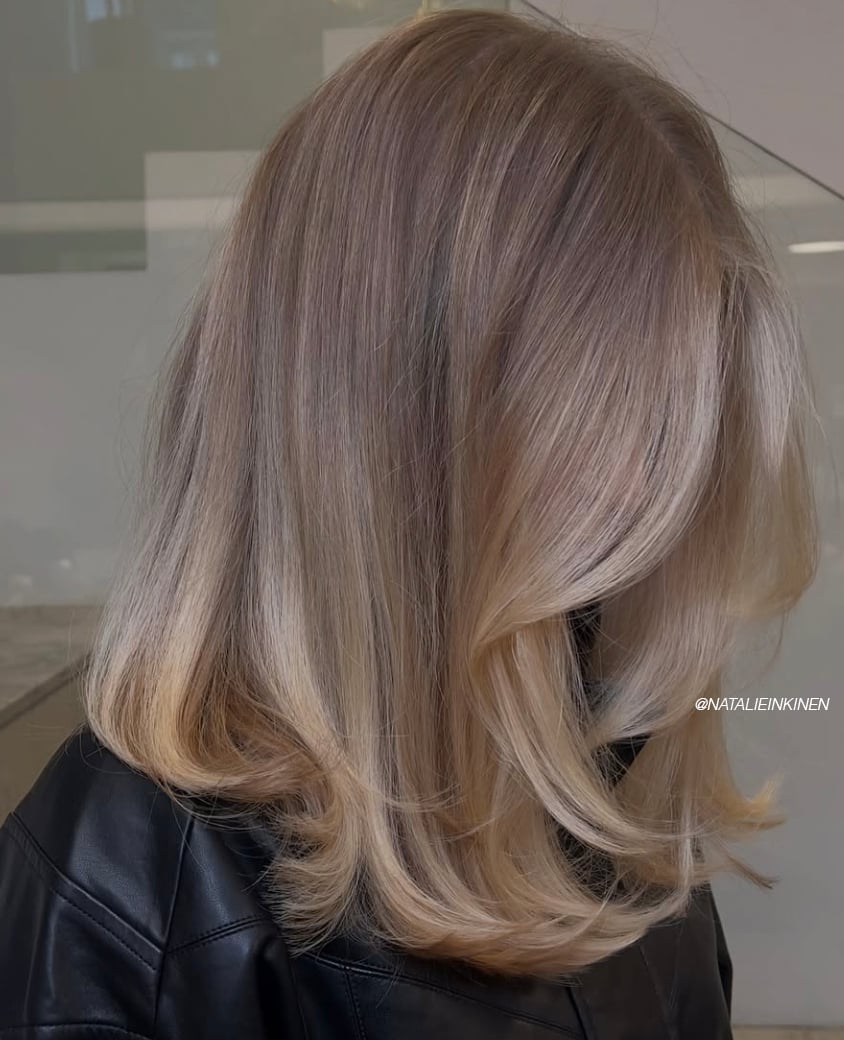
Cashmere Blonde Is the Cozy Color Update Your Winter Hair Needs
Going darker isn’t the only way to give your hair a seasonal refresh. Sometimes, a little more depth through your blonde—and a softer tone through the lengths—is enough to make the whole color feel new.
That’s the appeal of cashmere blonde. Think creamy beige, delicate honey and finely blended highlights, with enough variation to keep the hair from looking like one solid shade. It’s blonde you can imagine wearing with an oversized knit and very little makeup, then taking out to dinner with a good blowout.
If your summer blonde is feeling too bright or your usual ash toner no longer feels quite right, here’s what to know before your next appointment.
What Is Cashmere Blonde?
Cashmere blonde describes a soft, dimensional blonde built around closely blended tones. Beige, cream and gentle hints of honey sit together throughout the hair, creating lightness without strong stripes or an obvious divide between shades. Finely woven highlights are often part of the approach.
The name is a reference to the overall appearance. Coloring your hair won’t give it the texture of cashmere, but the combination of tones can create a similarly soft visual effect.
There’s room to personalize it, too. Your version might be a light, creamy blonde with delicate beige shadows, or a deeper blonde with warmer ribbons through the lengths. The common thread is the blend: individual highlights contribute to the overall color without becoming the first thing you notice.
A Blonde That Works With Your Winter Wardrobe
Picture a creamy blonde against a charcoal coat, or honey-beige lengths falling over a navy sweater. There’s enough warmth to complement those heavier fabrics and deeper colors while keeping brightness around the face.
You don’t have to lose the blonde you love to make that seasonal shift. Adding some depth between existing highlights can change the overall impression, particularly if the lengths have become increasingly pale after several appointments.
It’s also a color that rewards movement. A loose bend reveals the different tones, while a smooth blowout shows how closely they sit together. Even a simple ponytail gives those lighter and darker pieces a chance to meet.
How It Differs From Icy or Golden Blonde
The easiest way to explain cashmere blonde is through balance.
An icy blonde puts coolness at the forefront, often with a pale, silvery appearance. A golden blonde makes warmth more visible. Cashmere blonde generally brings beige and subtle warmer tones together, with dimension doing as much of the work as the toner itself.
That distinction is useful when choosing inspiration. If every image you save has a creamy finish but you keep asking for the coolest blonde possible, it may be time to talk through what you actually like about those pictures.
Look beyond how light the hair is. Notice the depth near the roots, the warmth through the middle and whether the ends are significantly brighter. Those details will tell your colorist more than the trend name alone.
What to Ask Your Colorist For
Start with a few reference images that show the hair in natural light. Include at least one where you like the root area as much as the lengths; a beautiful blonde can feel very different depending on how it begins.
Explain that you want a creamy, dimensional result with fine blending. Then talk through how much warmth you’re comfortable seeing and how bright you want the pieces around your face.
Your starting color will shape the appointment. Already-lightened hair may need depth added back in, while darker hair may need carefully placed lightness. Your colorist can assess which combination of highlights, lowlights and toning will move you toward the reference while considering your hair’s condition.
Be clear about upkeep, too. A blended root can make the contrast with new growth less obvious, but cashmere blonde doesn’t come with one universal maintenance schedule. Ask what your particular version will need between color appointments.
Keeping the Finish Soft Between Appointments
Once you’ve found the right balance, aftercare should support it. Discuss a washing and conditioning routine suited to your hair, use heat protection when styling and keep the temperature of your tools appropriate for its condition.
It’s also worth asking before automatically reaching for purple shampoo. Beige and honey notes may be part of the result you’ve chosen, so tell your colorist whether you want to preserve that warmth or soften any unwanted yellow as the toner fades.
A future refresh may involve adjusting the tone rather than adding more highlights. Let how the color looks—and how the hair feels—guide that conversation.
The best reference to bring back might be a photo of your own hair on the day you loved it most. Cashmere blonde leaves room for those small adjustments, whether that means a little more creaminess, a touch more depth or simply keeping a very good blonde going through winter.